Return to sender mail – an ongoing pain point for most charities
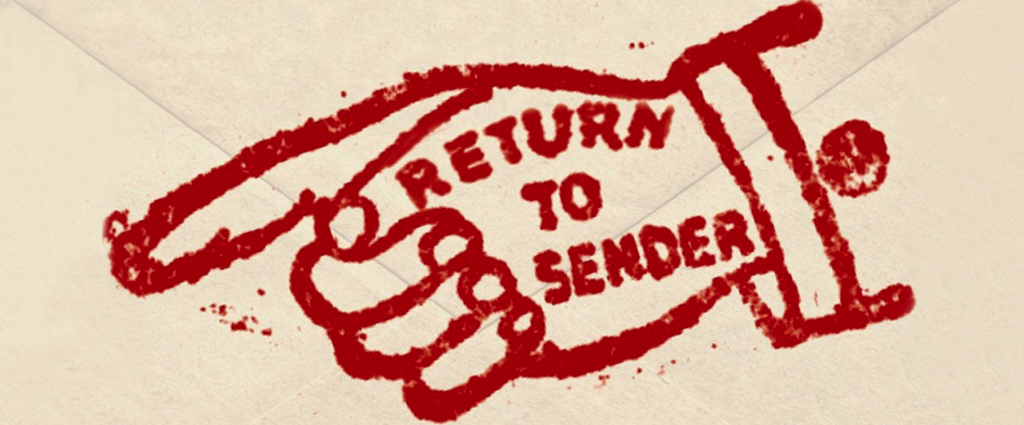
Your fundraising appeal raised lots of money but you received too many return to sender (RTS) mail pieces. The pain point will not resolve itself. If we don’t deal with RTS mail, history will repeat itself. We risk mailing to these same addresses during upcoming appeals and in between.
Following are four quick steps to clean data and to manage this pain point:
- Hire an intern or volunteer to code each address in your CRM system as RTS and to code the deceased.
- Engage a firm to standardise/assign a delivery point identifier to each address then match your data against National Change of Address data, acquire new addresses, provide a code for constituents who moved/opted to not provide their new address and import changed data into your CRM.
- Conduct these steps routinely.
- Measure the impact this data management exercise has on your fundraising. The exercise will cost, but consider it an investment in your donor retention.
Take action today. It is less costly to clean data for existing donors than it is to acquire a new donor.
This content of this article was originally published in Fundraising & Philanthropy Magazine.

 It is the easiest task to do, yet it is often times overlooked in our day-to-day responsibilities. In the rush to get stuff done, including finding new donors, asking for that next big gift, we are overlooking the most important task. I am talking about saying thank you to donors, volunteers, and staff.
 Think about your non-profit organisation’s Constituent Relationship Management (CRM) solution for a moment. Is it configured and designed so you are you able to fully record a constituent and their contact details? Tick. Are you able to record a donation and associated details? Tick. Does it end there? Issue. A CRM needs to be relational in focus because a CRM is not simply a transactional database.
 Searching for a new CRM is a
  Mystery Shopping Defined
 Your payment gateway. Cost per transaction? Sure, it is important.
 Searching for a new constituent relationship management (CRM) solution is no easy task. The process, as I outlined in a recent