
App for Charity – When Does it Actually Make Sense?
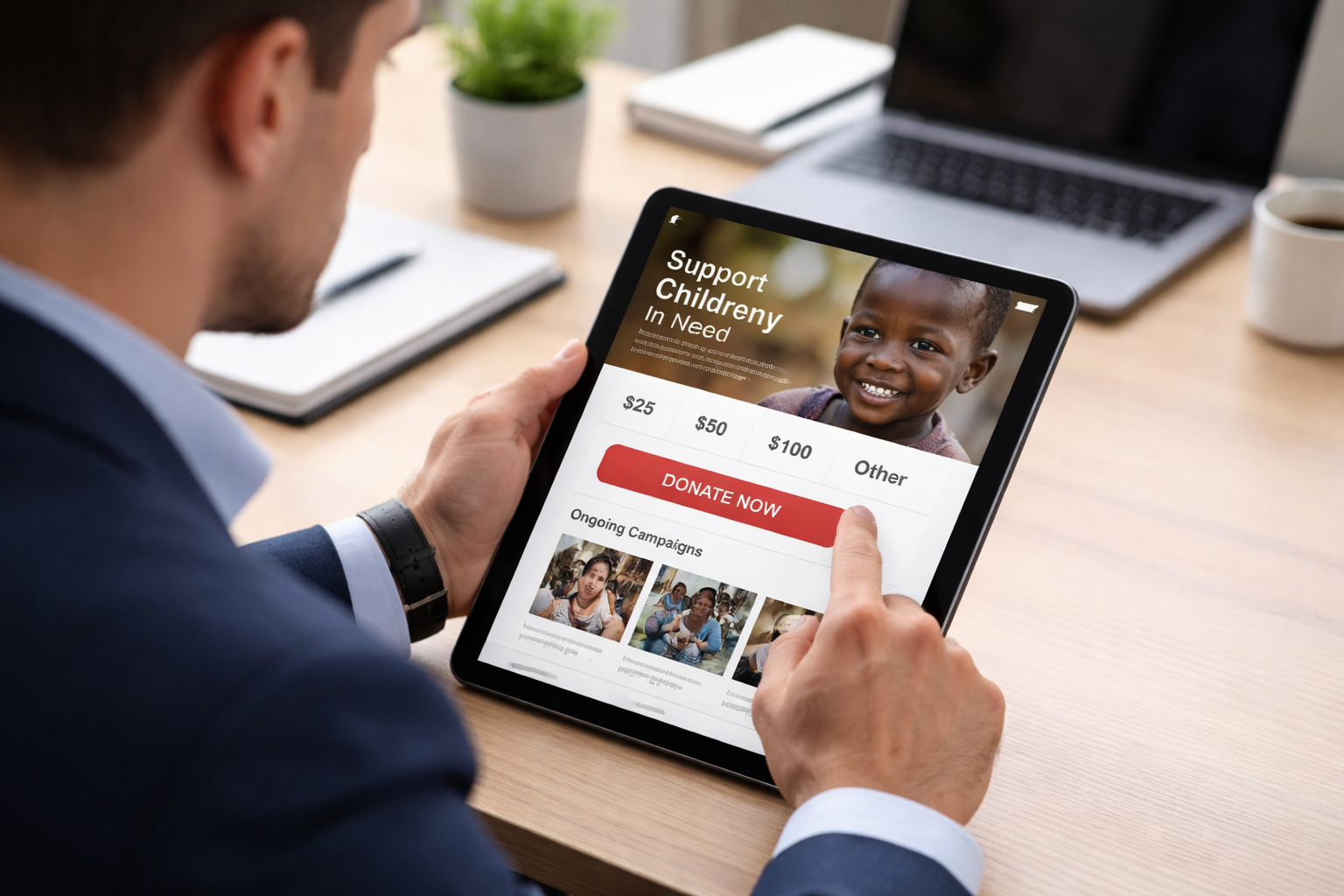
Charities regularly ask whether they should “build an app.” Most shouldn’t. Apps are expensive to build, costly to maintain, and brutally unforgiving if they don’t deliver ongoing value. An app only makes sense when it solves a repeated, high-value problem for supporters or operations—something a website, email, or CRM simply can’t do as well.
Below are the clear-cut scenarios where an app does make sense, followed by real examples where charities have succeeded.
1. When Supporters Need to Engage Frequently (Not Occasionally)
If supporters interact with your organisation weekly or daily, an app can earn its place. If engagement is annual (appeals, events, tax time), an app will rot on phones.
Apps make sense when they support:
- Daily or weekly check-ins
- Habit-forming behaviours
- Ongoing program participation
Successful example
- American Red Cross – Blood Donor App
The Blood Donor App works because donors use it repeatedly: appointment scheduling, reminders, eligibility checks, and donation history. This is classic app logic—frequent, utility-driven use.
2. When the Charity Manages a Volunteer or Member Workforce
If you rely on volunteers, members, or chapter leaders, an app can outperform email chains and spreadsheets.
Strong app use cases
- Shift scheduling
- Task notifications
- Training and compliance tracking
- Two-way communication
Successful example
- Salvation Army – Volunteer Management Apps
In multiple regions, Salvation Army deployments use apps for rostering, emergency response coordination, and volunteer updates—especially critical during disasters.
3. When the Mission Is Location- or Time-Sensitive
Apps shine when they use push notifications, GPS, or real-time alerts.
This includes
- Emergency response
- Advocacy actions tied to live events
- Time-critical community services
Successful example
- Charity Miles
Charity Miles converts everyday walking and running into donations. GPS tracking, real-time stats, and immediate feedback make the app essential—this could never work as a static website.
4. When the Charity Is Delivering a Program, Not Just Fundraising
If your organisation delivers services, education, or wellbeing programs, an app can be part of the service itself.
Common scenarios
- Health tracking
- Learning modules
- Client self-service portals
- Behavioural change programs
Successful example
- WWF – My Footprint App
WWF’s app focuses on environmental behaviour change. It provides education, tracking, and personal impact insights—again, ongoing value beyond asking for money.
5. When Events Are Central to the Operating Model
Large-scale or recurring events can justify an app if the event experience depends on it.
Good event-app features
- Digital tickets and QR check-in
- Live schedules and updates
- In-event giving and challenges
- Peer-to-peer fundraising leaderboards
Successful example
- Movember
Movember’s app supports fundraising progress, team competition, and event engagement. The campaign itself is participatory, making the app relevant for weeks—not hours.
6. When Data Collection Is Mission-Critical
If frontline data must be captured offline, in the field, or at scale, apps can outperform web tools.
Examples
- Service delivery tracking
- Case notes
- Environmental or humanitarian data collection
Successful example
- UNICEF
UNICEF has used mobile apps globally to collect field data, monitor programs, and coordinate services—often in low-connectivity environments.
When an App Does Not Make Sense (Hard Truths)
Charities should not build an app when:
- It’s just a mobile version of the website
- The only purpose is donations
- Engagement is infrequent
- The organisation lacks digital product ownership
- There is no budget for updates, security, and UX improvement
A poorly adopted app doesn’t just fail—it damages credibility.
The Rule of Thumb
A charity app makes sense only if it:
- Solves a repeated, mission-critical problem
- Is used frequently
- Delivers value beyond fundraising
- Has a clear owner, roadmap, and budget
If those conditions aren’t met, invest in:
- Better CRM usage
- Smarter marketing automation
- Stronger self-service portals
- Mobile-optimised web experiences
Apps are tools—not trophies. Build one only when it earns its keep.
