Appeals Arriving on the Same Day – Why timing matters
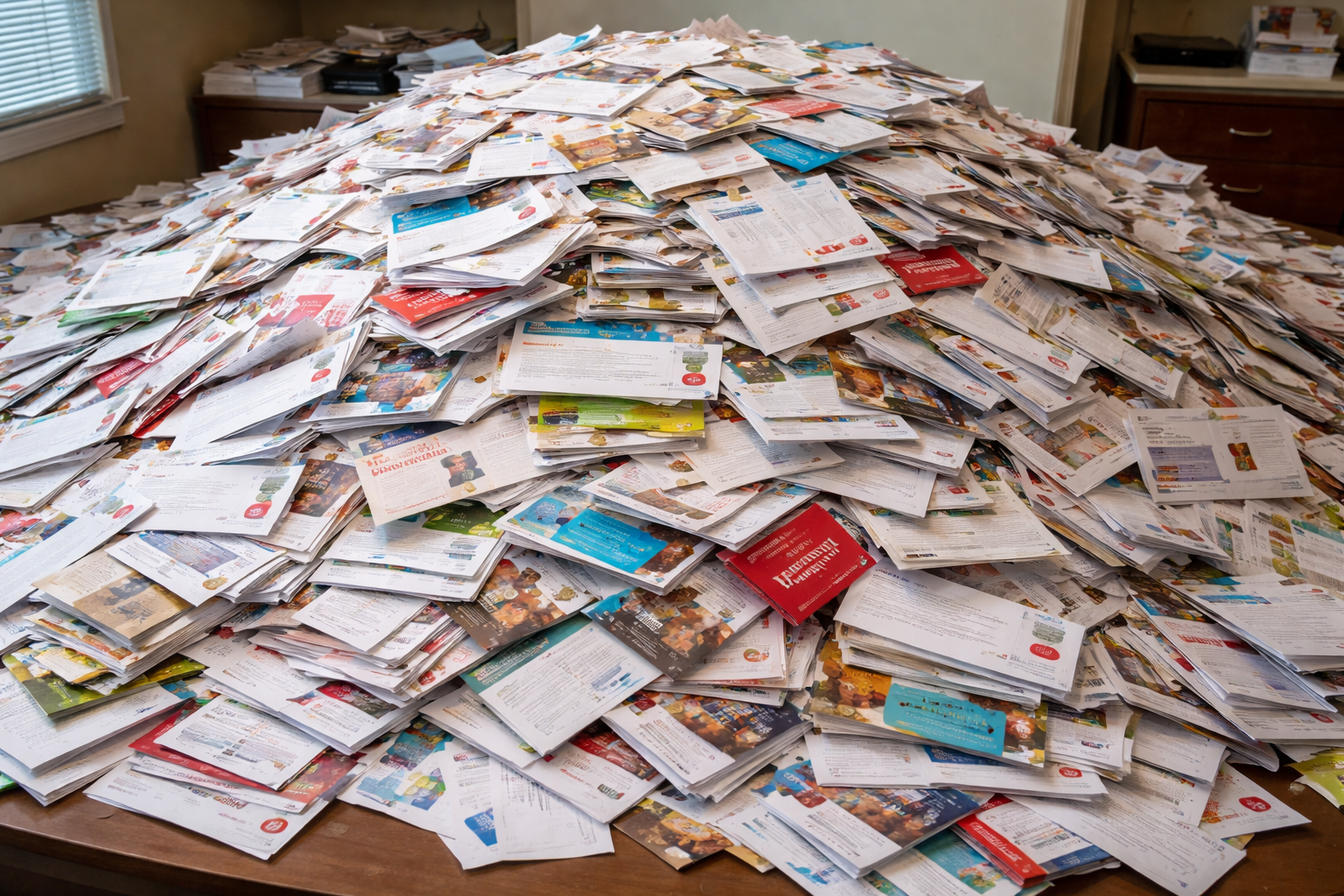
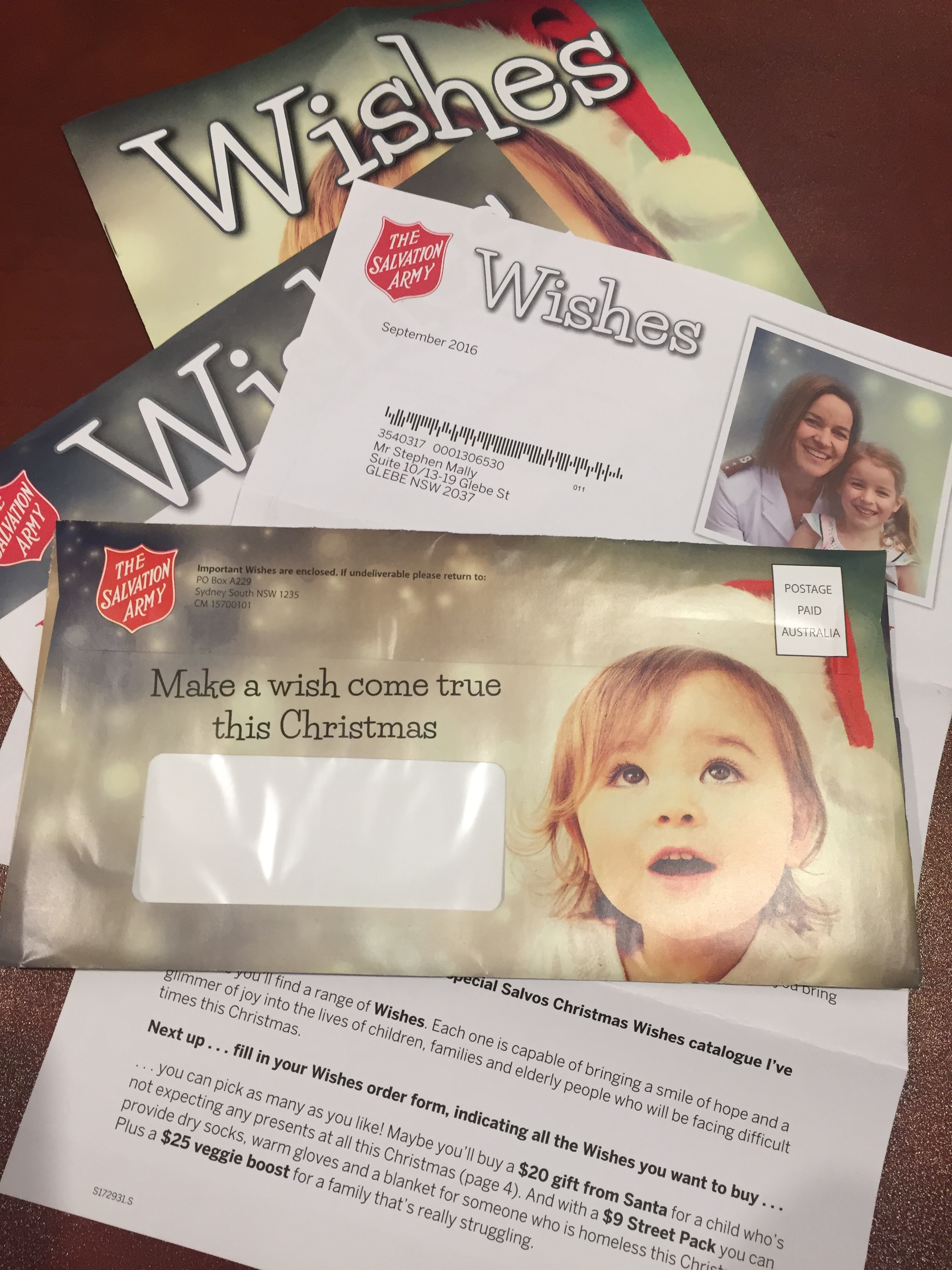
Supporters don’t experience appeals one at a time. They experience them in bundles—literal piles of mail and waves of emails. When everything arrives together:
- Physical mail gets skimmed, stacked, or binned
- Emails get bulk-deleted or mentally ignored
- Your carefully crafted message loses urgency by association
Spacing your appeals is one of the few levers you fully control—and most charities underuse it.
1. Build a contact calendar, not a campaign calendar
Many charities plan campaigns in isolation: Christmas Appeal, Year-End Appeal, Tax Appeal. The smarter approach is a single supporter contact calendar that answers one question:
“What will this supporter receive, and when?”
Key principles:
- Avoid back-to-back sends across channels
- Allow breathing room between physical mail and email follow-ups
- Stagger segments (e.g. major donors first, general donors later)
A simple rule of thumb:
- Mail first, then digital, with at least 5–7 days between arrival and follow-up
- Never send a second physical appeal within 10–14 days to the same household unless it’s a reminder or upgrade
This isn’t radical. It’s disciplined.
2. Stop letting suppliers dictate your delivery dates
Here’s an uncomfortable reality: many charities accept supplier timelines as fixed. They aren’t.
Good direct marketing suppliers can:
- Hold jobs for delayed induction
- Stagger lodgements by state or postcode
- Adjust print sequencing to manage arrival windows
What you should be asking before artwork is finalised:
- “What delivery windows can we realistically target?”
- “What days should we avoid due to sector congestion?”
- “Can we split lodgement across multiple days?”
If your supplier can’t answer these questions, you’re working with a printer—not a direct marketing partner.
3. Use arrival windows, not fixed dates
Postal services don’t deliver on exact days. Experienced charities plan around arrival windows instead.
For example:
- Appeal A: lands between 20–23 November
- Appeal B: lands between 29 November–3 December
- Appeal C: lands between 8–12 December
This reduces the risk of:
- Appeals clashing with competitors
- Multiple appeals hitting the same household simultaneously
- Weather, public holidays, or postal delays ruining your plan
The goal isn’t precision. It’s separation.
4. Coordinate digital sends after physical mail lands
One of the most common mistakes at year-end is sending the email before the mail arrives—or worse, on the same day.
Instead:
- Monitor in-home dates with your supplier
- Trigger emails 3–5 days after expected delivery
- Reference the physical piece explicitly:
“You may have received our Christmas letter this week…”
This reinforces recognition and legitimacy. Supporters are far more receptive when they’ve already seen your brand in their hands.
5. Segment timing, not just messaging
Most charities segment what they say but not when they say it.
Consider staggering by:
- Value: major and mid-value donors first
- Engagement: active donors before lapsed
- Channel preference: mail-responsive donors earlier than digital-only
This spreads volume, reduces congestion, and allows you to course-correct if early results are soft.
Old-school fundraising wisdom still applies: test, observe, adjust.
6. Accept that you can’t out-shout everyone—so don’t try
Year-end isn’t about being the loudest. It’s about being the clearest at the right moment.
A well-timed, well-spaced appeal:
- Feels intentional, not desperate
- Respects the supporter’s attention
- Stands out precisely because it arrives alone
Charities that win at year-end don’t rely on clever subject lines or heavier paper stock. They rely on discipline, sequencing, and supplier partnerships that understand the realities of the mailbox and inbox.
If your appeals are landing together now, that’s not bad luck. It’s planning—and planning can be fixed.